
Many entrepreneurs love what they do, but they sometimes struggle with work-life balance. While you’re working hard to build your business, to live life fully, you also need to ensure your relationships flourish. That’s why you should learn the five languages of love. It’s a relatively easy way to enrich your life, and the lives around you.
Continue reading →
Posted on Aug 16 2016 5:35 am by Web Copywriters
|
category: Business & marketing |
Leave a comment
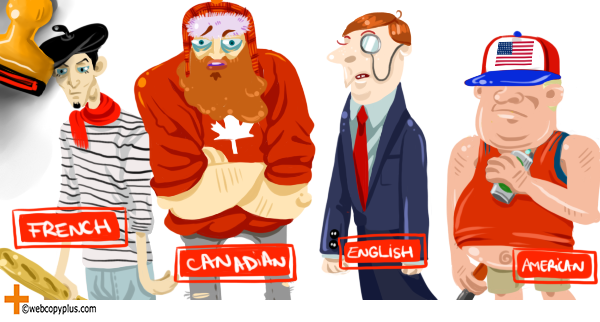
Are you marketing to people or stereotypes? Sweeping generalizations result in crappy marketing campaigns, offend audiences and spark backlashes. So take the necessary steps to keep your personas real and relevant.
Continue reading →
Posted on Jun 8 2016 6:11 am by Web Copywriters
|
category: Business & marketing |
8 Comments

Brands help categorize the modern world. Toyota or Ford, Lulu Lemon or Levis, CNN or Fox News? Brands no longer just sell. They correspond with personal ideologies, and reflect our narratives back to us.
Continue reading →
Posted on May 11 2016 8:20 am by Web Copywriters
|
category: Business & marketing |
Leave a comment

It’s reality today: the first place your customers meet you is online. So the big question is: are you putting your best self forward?
“Before any coffee, sales pitch or job interview takes place, there’s a high probability you’re going to get Googled,” insists University of Toronto Professor and Digital Media Strategist Jean George. “Fortunately, big brands and celebrities aren’t the only ones who can strategize and manage their digital footprints.”
Continue reading →

In the battle of rankings, website owners and developers sometimes forget that the quality of the website really drives success. How your site feels to visitors and how credible your web content is will have a huge effect on whether they linger, and more importantly, share your link with others.
Continue reading →

Design matters, like never before, states David Berman, author of do good design, the internationally renowned book that challenges designers to disarm weapons of mass deception to help make the world a better place. We asked this influential thought leader with a quarter century of graphic, interface and accessibility experience about the Internet, our moral compass and the future.
Continue reading →
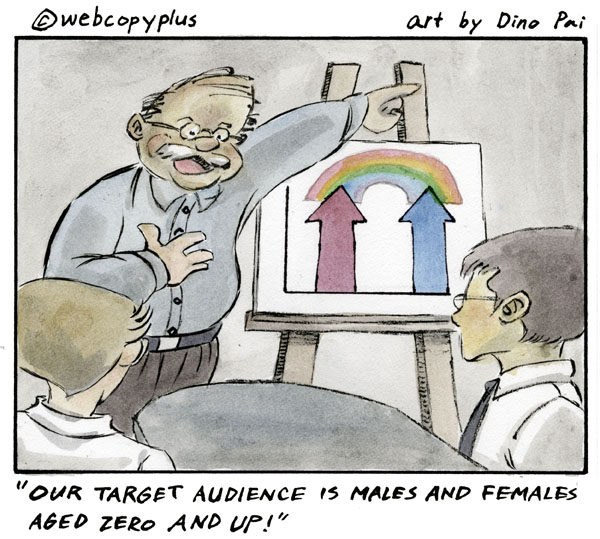
Businesses with limited budgets can combat large, deep-pocketed companies by targeting a niche market.
Fear not! Defining a target market doesn’t mean you’ll exclude people who don’t fit your criteria — it means investing your resources and speaking to a specific market that’s more likely to believe in your brand and buy from you.
Continue reading →

With smartphones and tablets overtaking desktops, the majority of consumers are bowing down to their mobile devices to research and purchase products and services. That means if your website’s not mobile friendly, your online presence will soon fade away. Fortunately, there’s a smart solution — it’s called responsive web design.
Continue reading →
Posted on Feb 25 2015 10:05 am by Web Copywriters
|
category: Business & marketing |
1 Comment

With the explosion of social media usage around the globe, social media websites have become a paramount platform for businesses to connect with customers, prospects, employees and candidates alike. So we asked several branding and marketing experts: Does outsourcing social media make sense for businesses?
Continue reading →
Posted on Apr 10 2014 8:00 pm by Web Copywriters
tags: Business and the Web Social Media
|
category: Business & marketing |
3 Comments

With today’s brands communicating across an endless array of online marketing vehicles and avenues, just how important is content to web design? We asked several design and marketing experts, and here’s what they had to say.
Continue reading →
Posted on Oct 29 2013 5:00 am by Web Copywriters
tags: Web Content Studies Web Design
|
category: Business & marketing |
2 Comments