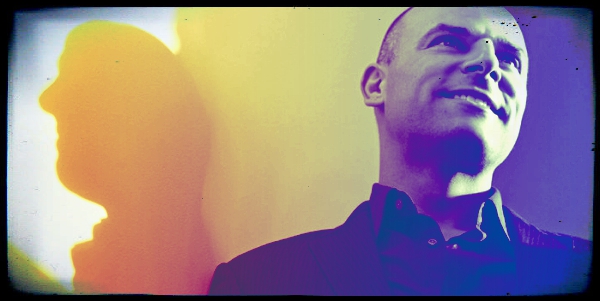
In an interview with Creativeroom4talk, a European online magazine for creative types, our founder Rick Sloboda discussed creativity, entrepreneurial energy, branding, marketing, desires, fears, inspiration, music, and more. Here’s the FULL interview:
Continue reading →
Posted on Jul 9 2018 6:17 pm by Web Copywriters
|
category: Web world at large |
Leave a comment
It’s 2028. Everyone uses hoverboards and electric cars that drive themselves, and there’s a SpaceX elevator to the moon. But what does everything look like? What is the future of design — do the hottest future design jobs include yours? And how do you stay competitive? A web copywriter is likely to be in the mix (Webcopy+ has been in the business of optimizing online and digital content for more than a decade), but who, and what, will we be working with?
Continue reading →
Posted on Feb 20 2018 7:56 am by Web Copywriters
tags: Working in the Web
|
category: Web world at large |
Leave a comment

Innovation is shifting creativity from a positive characteristic to a precious, highly sought-after asset in the global market. Esteemed schools like Harvard and Yale have added creativity to their curricula, and several Fortune 500 companies like PepsiCo and Marriott are running employees through creativity training programs. So how do you tap into your ‘inner Leonardo da Vinci’ (the accomplished artist, musician, scientist and engineer of the 15th century)? Try these creativity tactics right now.
Continue reading →
Posted on Jan 29 2018 5:02 am by Rick Sloboda
tags: Creativity
|
category: Web world at large Writing for the Web |
Leave a comment
As creatives — from content writers to art directors — we all occasionally suffer from creative block. Sometimes it’s about overcoming procrastination, and sometimes it’s about bringing fresh, semi-genius concepts to the studio. So we asked some of our creative friends around the globe: How do you get unstuck creatively?
Continue reading →
Posted on Aug 15 2017 5:07 am by Web Copywriters
tags: Working in the Web
|
category: Web world at large |
3 Comments
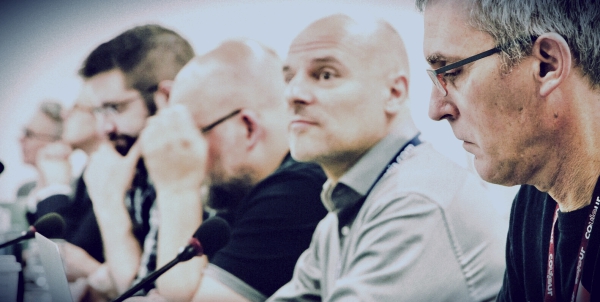
I believe design shapes the world, and PR can help give the industry a bigger and brighter stage. That’s why I’m delighted with my recent appointment as the National PR Chair for the Graphic Designers of Canada (GDC), which allows me to help foster understanding and appreciation of design across Canada and around the globe.
Continue reading →

A content marketer, web designer and web copywriter walk into a bar; after a few rounds of shop talk, the designer asks the other two to guess the most popular colour for websites. If “blue” is your response, you’re right. A recent Wired piece cites a study identifying shades of blue as the most used colour on the Web’s 10 most popular websites.
How and how much does the psychology of colour affect consumer behaviour, and why?
Continue reading →

We’ve been emmersing ourselves in computers since the late 1970s, and scientists are beginning to identify and learn about the mental, physical, emotional and neurological consequences to our minds and bodies. The impact is significant.
Continue reading →
Posted on Jan 4 2017 5:36 am by Web Copywriters
tags: Technology Web Content Studies
|
category: Web world at large |
2 Comments
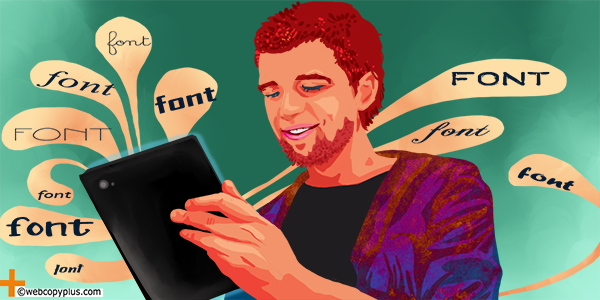
Say hello to variable fonts — simpler, more efficient typography that looks better on any screen. The type community is already all over this one, but should a web designer or web copywriter be that excited about typeface? As creative content providers for responsive web design, absolutely!
Continue reading →

It seems almost all designers who partner with our web copywriting firm have made a solemn declaration to Apple products. In fact, the conviction is so profound, it compelled our copywriters to switch entirely to Macs in 2008. Curious what drives this deep desire and devotion with visual creatives, we asked creative directors in Canada, the US and Europe: Why do designers use Macs?
Continue reading →
Posted on Oct 18 2016 4:22 am by Rick Sloboda
tags: Branding Web Design Working in the Web
|
category: Web world at large |
3 Comments
User experience (UX), simply put, is the relationship between people and technology. Whether you’re a designer, developer, copywriter, entrepreneur, or other creative type, you’ve got a hand in identifying and designing that relationship. You have the power to create a product, service or website that people are drawn to, find easy to use and understand quickly. And with that power comes responsibility.
Continue reading →