In today’s world, creatives are needed more than ever, both for business and to solve complex social problems. Wherever you apply your creative mind, one way to develop your creativity further is to expand your musical mind.
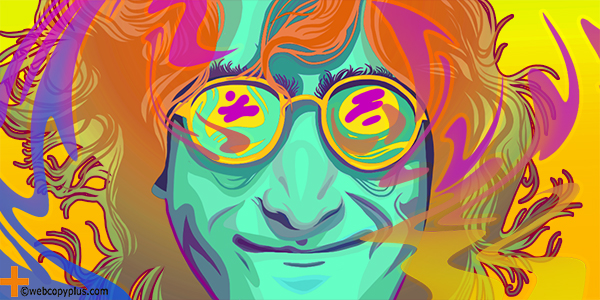
In today’s world, creatives are needed more than ever, both for business and to solve complex social problems. Wherever you apply your creative mind, one way to develop your creativity further is to expand your musical mind.

Are website footers necessary? Absolutely! However, while the elements found at the bottom of web pages help deliver positive online experiences, they’re often neglected and underutilized. Here are tips on how you can establish a winning website footer to better serve visitors and maximize your success online.
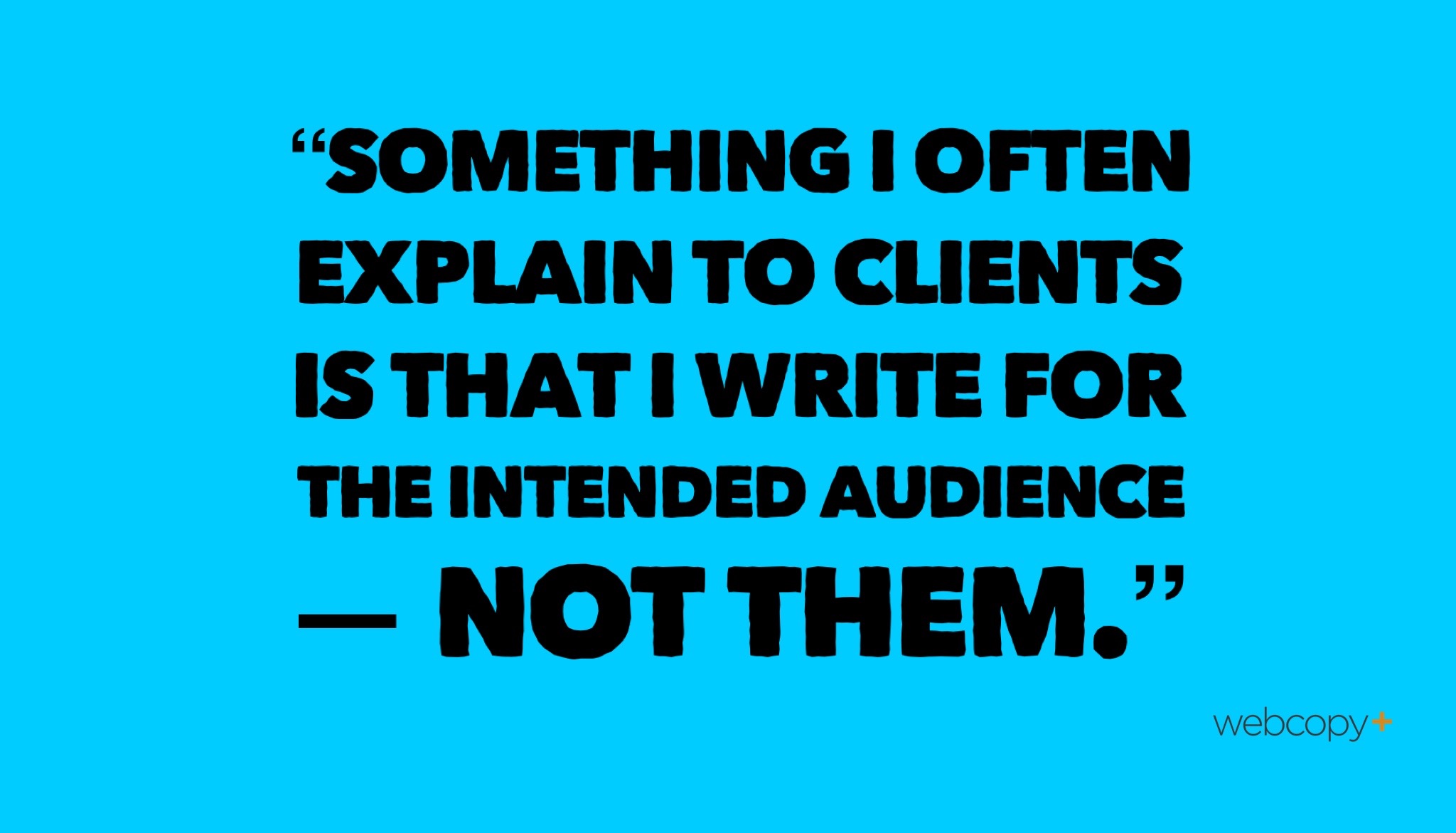
Whether you’re a content writer, designer, developer, photographer, artist — or virtually any creative — it seems we’ve all had experiences where clients unknowingly get in the way. Following a passing comment or a random article that pops up in a feed, suddenly the client starts to insist on ill-advised tactics. It can be a challenging situation, but one that can be resolved with the right approach.
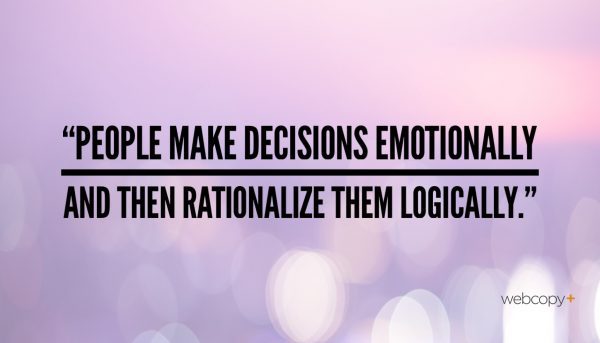
Whether you’re marketing electronic gadgets B2C, or professional services B2B, you need to engage people emotionally to win their business. Why? As humans, we make decisions emotionally and rationalize them logically. As a result, a highly effective way to capture an individual’s heart is to focus on benefits.
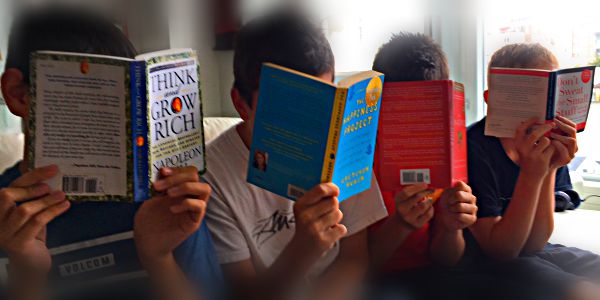
Pay your children to read? I did it on a whim one evening and felt somewhat sheepish. Reading should be a natural pastime that you desire and enjoy, right? But then I was told something that made me realize it’s not only okay — it might be brilliant. Here’s why and how you should consider launching your own ‘book club for young entrepreneurs’ at home.

You know your target audience. Your inbound marketing seems to be tracking well. Why bother with buyer personas? The reasoning is similar to why you need web content writers (see what we did there?): To really optimize your content marketing.

Innovation is shifting creativity from a positive characteristic to a precious, highly sought-after asset in the global market. Esteemed schools like Harvard and Yale have added creativity to their curricula, and several Fortune 500 companies like PepsiCo and Marriott are running employees through creativity training programs. So how do you tap into your ‘inner Leonardo da Vinci’ (the accomplished artist, musician, scientist and engineer of the 15th century)? Try these creativity tactics right now.
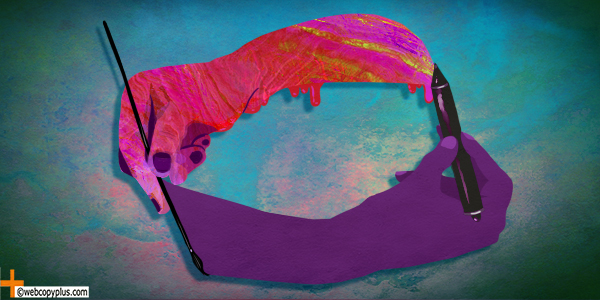
When is design, art — or art, design? From the web designer and content producer (including the web copywriter) perspective, how does the answer to this question impact the design or content creation process? Many designers also self-identify as artists and vice versa, so how does negotiating the relationship between design and art work in practice? We asked some of our Webcopy+ design partners to share their thoughts.
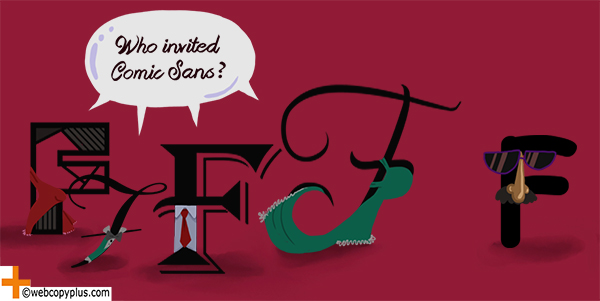
You wouldn’t use Comic Sans if you expect to be taken seriously, and you heard somewhere Arial is supposed to be a “safe” choice…for some reason. Knowing how to use typography for business advantage, is partly why web designers, graphic designers and web copywriters have jobs. What is typography and why is it so important?

Are web copywriters sexy? Not necessarily. But we suggested that’s the case in an April Fools’ prank that’s generated laughs across the Web.